

ColibriOS template demo. Use this template for your own site.
Emberline Academy
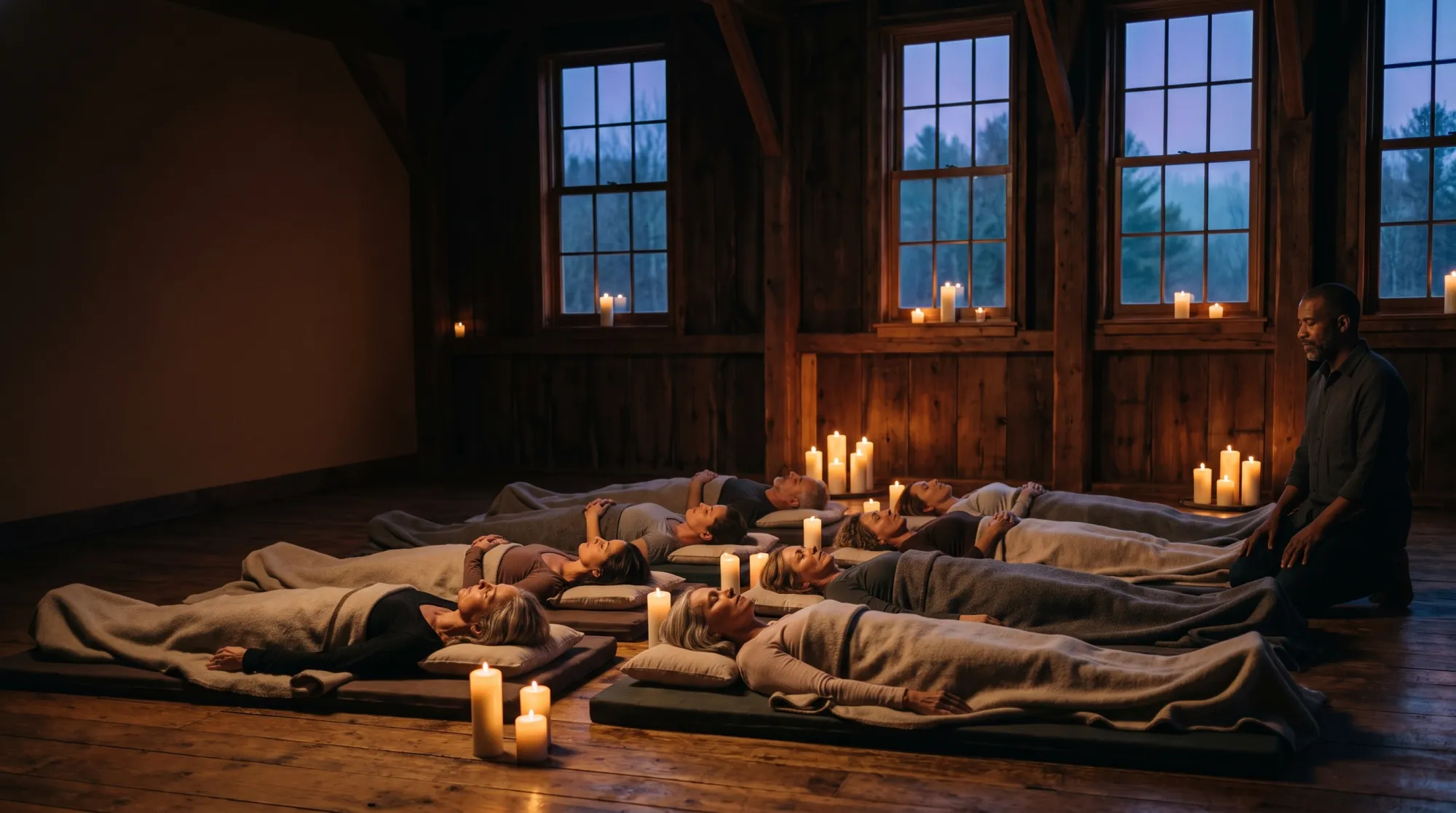
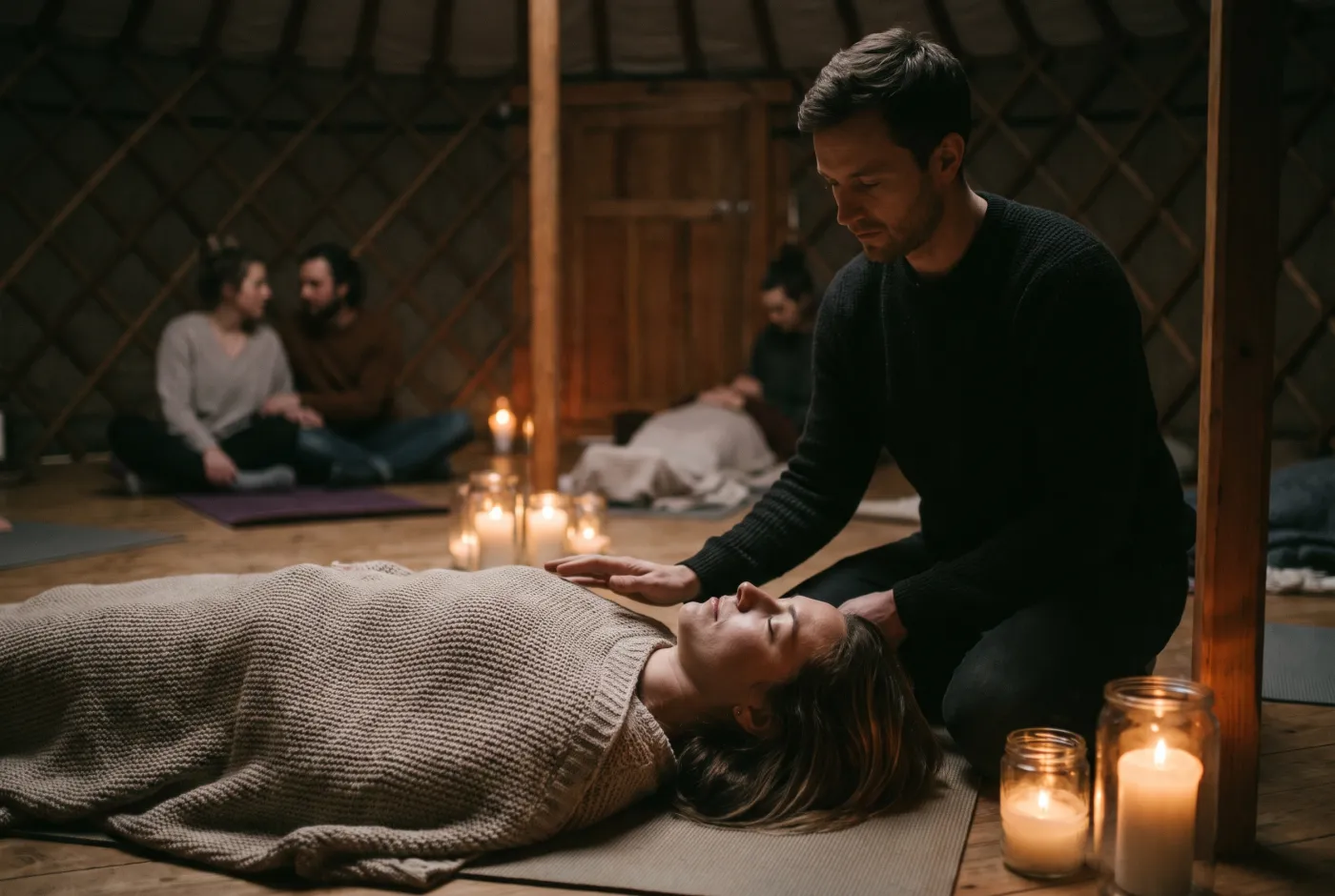
Adults resting on mats under blankets in a candlelit timber studio at dusk while a teacher kneels nearby
Breathwork facilitator certification · 2027 cohort

Learn to hold the whole room.

Nine months of live training in a small cohort, two weeks together in the woods, and real supervised practice. You finish ready to guide breathwork safely, one to one and in groups.

Why this training

Holding space is a skill. It can be taught.

A trainee at a wooden desk at night joining the live online class on her laptop by lamp and candlelight
Thursday evenings, live online, from wherever you are.

Anyone can play music and count breaths. Guiding someone through a big release, and bringing them all the way back down, takes training, practice and a teacher watching.

At Emberline Academy you learn the body, the nervous system and the safety rules first. Then you practice on each other, then on real clients with a mentor reviewing every session.

We keep each cohort to twenty four people, so every trainee is seen, corrected and encouraged by name.

Marcus Vale, lead trainer

Who it is for

Three kinds of people fill every cohort.

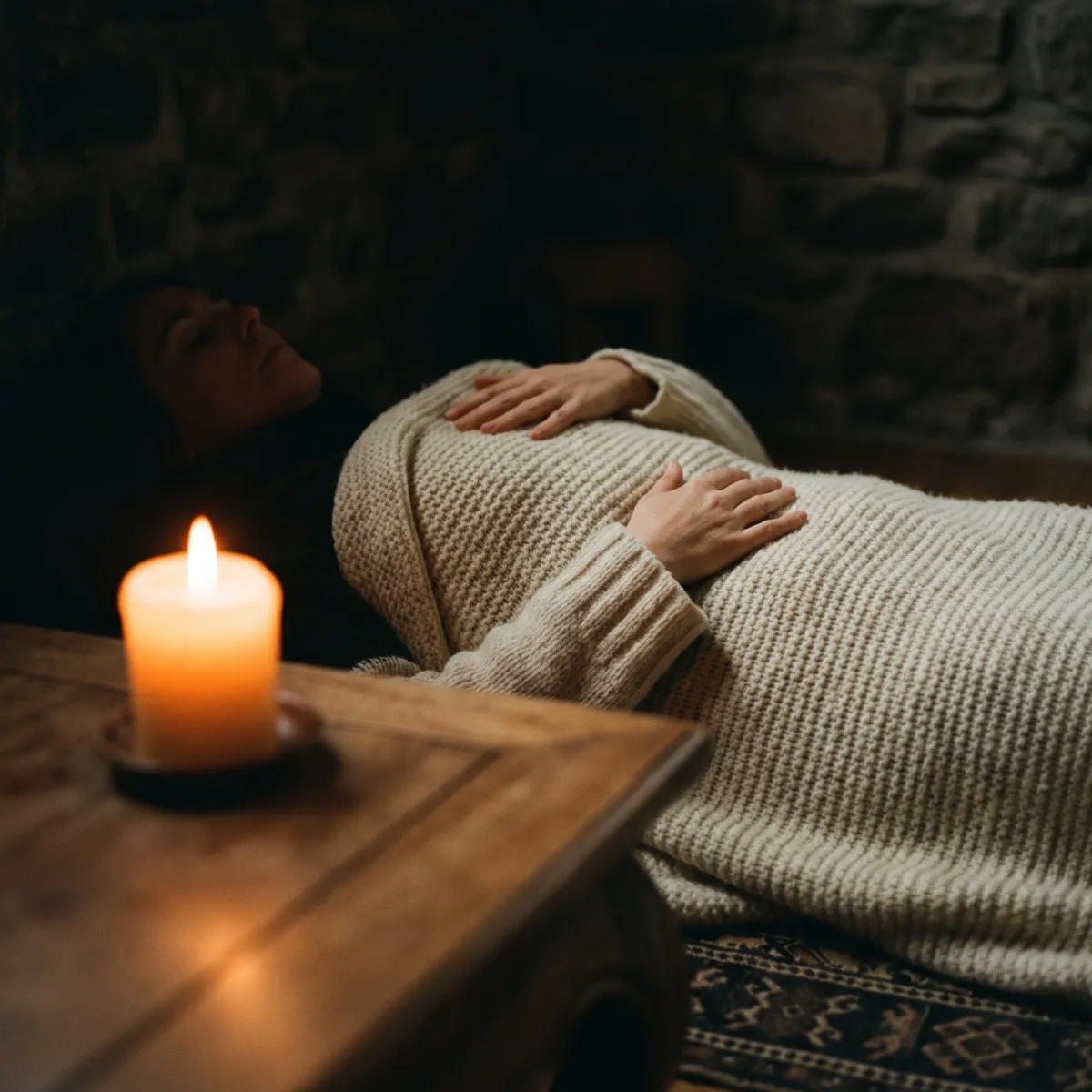
Hands resting on the chest and belly over a wool blanket in candlelight
01

You already practice.

Breathwork changed something for you and you want to understand how, so you can offer it to other people with care.

02

You hold people for a living.

Coaches, therapists, yoga teachers, nurses and doulas who want to add breathwork to work they already do well.

03

You feel called to lead.

You have done your own work for years and you are ready to run circles, workshops and retreats of your own.

The nine months

Three phases. Two weeks in the woods.

Live calls every Thursday at 7:00 PM ET, recorded for anyone who misses one. Between calls you meet a small practice group, read, and breathe every day.

01 Foundations February to April
  1. February

    The breathing body

    Anatomy, the nervous system and the science of breath, alongside a daily practice of your own.

  2. March

    Safety before anything else

    Screening, contraindications, trauma awareness and the moments when the right answer is not to breathe at all.

  3. April
    Intensive one

    April 12 to 17, at the lodge

    Six days together. You breathe, then you hold space for others, then you guide your first full session with a trainer beside you.

02 Practice May to July
  1. May

    Your first sessions

    Guide one to one sessions with your practice group, recorded and reviewed line by line.

  2. June

    Music, voice and touch

    Building the arc of a session, using your voice, and offering consent based touch only when it is welcome.

  3. July

    Holding groups

    Circles of four to twelve, big emotional releases, and how to bring a whole room back down gently.

03 Leading August to October
  1. August

    Supervised practice

    Twenty sessions with real clients, each one reviewed with your mentor the same week.

  2. September

    Your own offering

    Ethics, scope of practice, pricing and writing the first workshop you will run after graduation.

  3. October
    Intensive two

    October 4 to 9, assessment and graduation

    You lead a full group session while a trainer observes, receive your feedback, and graduate around the fire on the last night.

Expect six to eight hours a week, a little more in the supervised months. Every live call is recorded.

The intensives

Two weeks in a lodge among the trees.

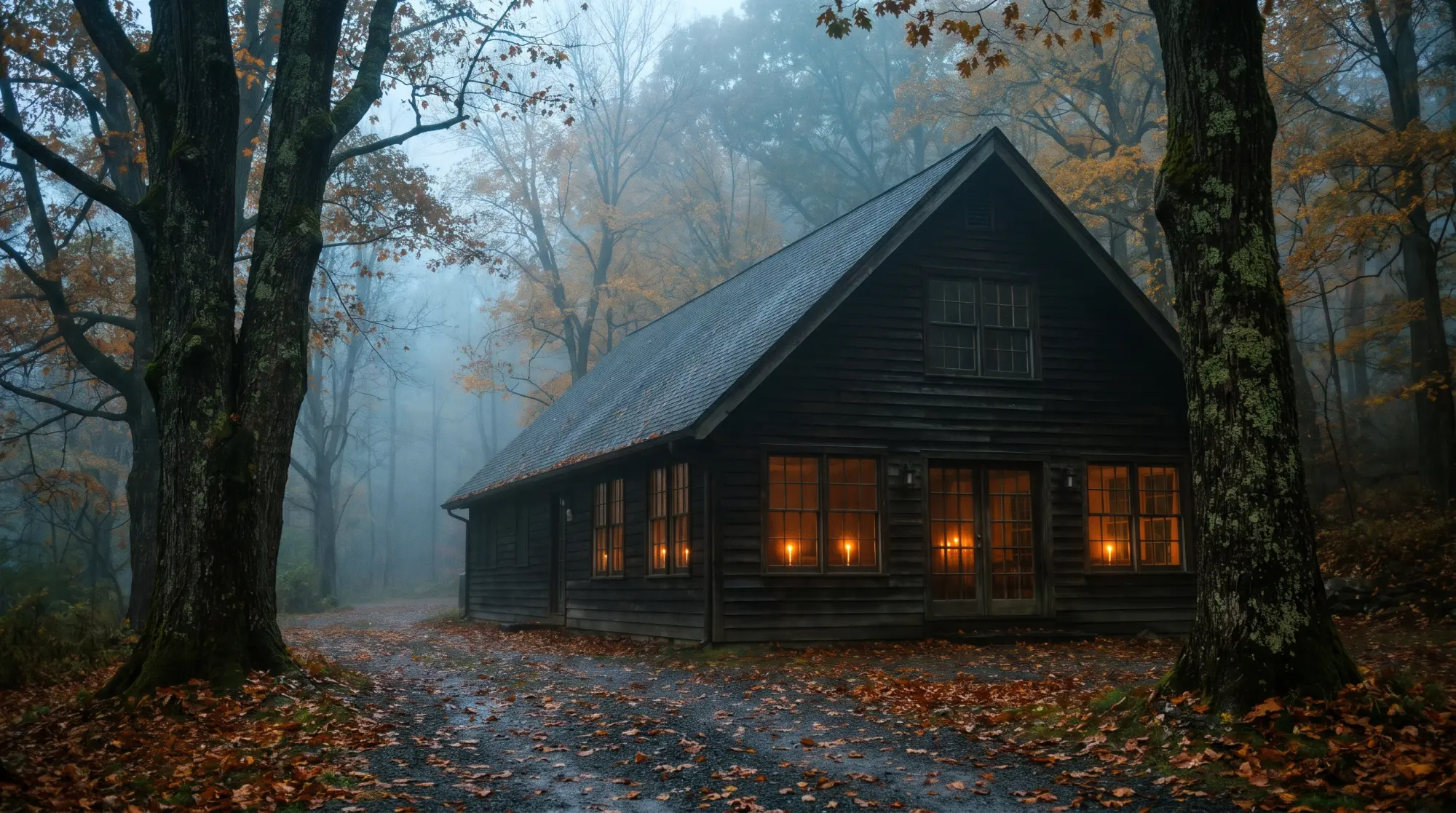
Both intensives run Monday to Saturday at a timber lodge in the Hudson Valley, two hours north of the city. Shared rooms, three meals a day cooked on site and a fire every night. Rooms and meals are part of tuition.

A dark timber lodge with glowing windows in a misty autumn forest at blue hour
What it takes to certify

Earned in the room, not just on paper.

Your certificate means you have guided real people, been watched doing it, and shown you know when to stop.

300Training hours

Live calls, both intensives, reading and your own daily practice.

40Logged sessions

Twenty with your practice group and twenty with real clients.

12Mentor hours

One to one reviews of your recorded sessions with a trainer.

1Observed session

A full group session you lead at the second intensive.

A trainee kneeling beside a woman breathing on a mat in a candlelit room while other pairs practice behind them
Practice groups meet every week between calls.
A mentor giving one to one feedback to a trainee at a wooden table by a window
Every supervised session is reviewed with a mentor.

Safety comes first, every month.

Breathwork is powerful and it is not right for everyone. Screening, contraindications such as pregnancy, epilepsy and heart conditions, and trauma aware practice are taught before you guide anyone, and assessed before you graduate.

Your trainers

Two teachers, with you the whole way.

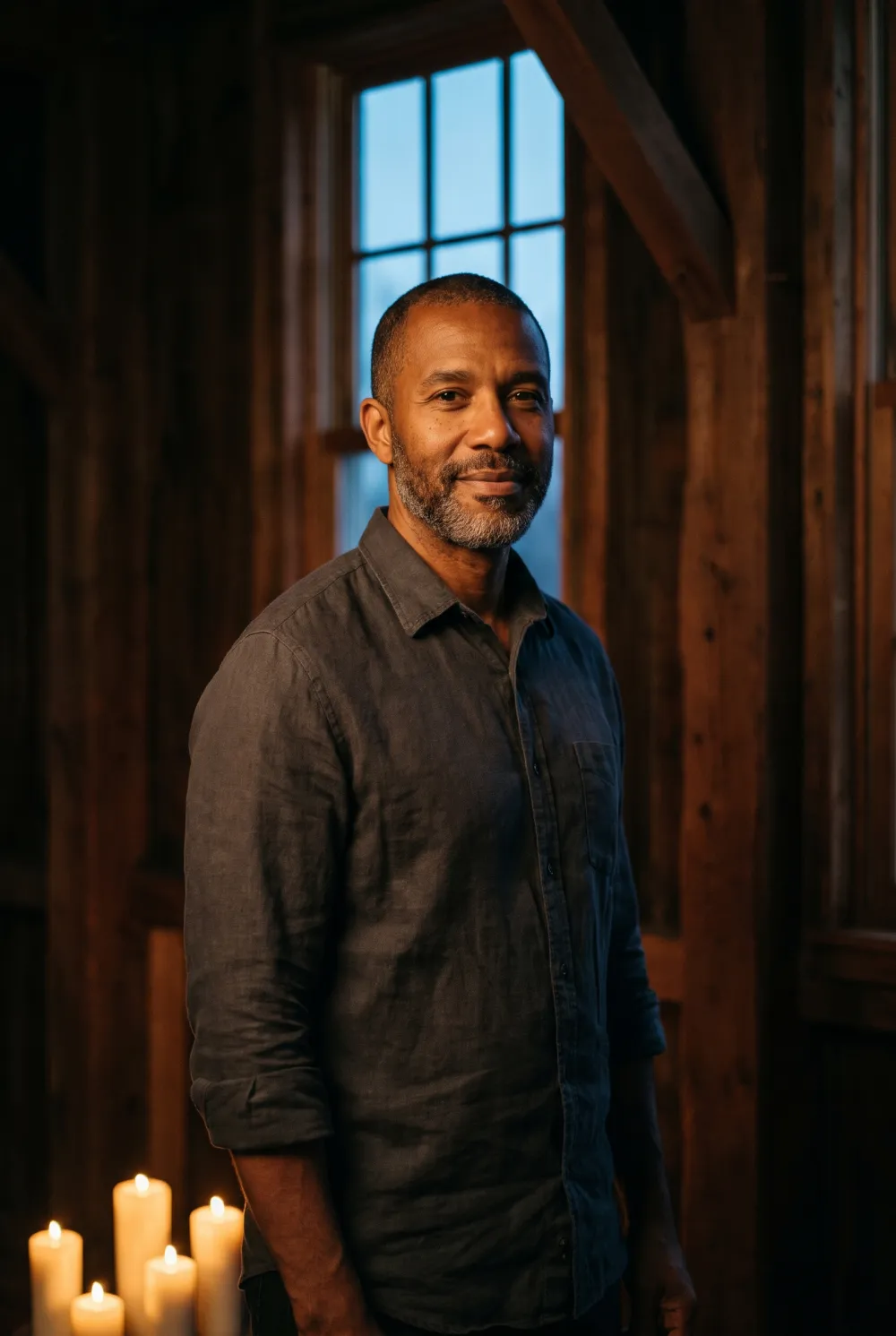
The lead trainer standing in a dark timber studio lit by candles and the last light from a window
Lead trainer

Marcus Vale

A former paramedic who found breathwork after fifteen years of night shifts. He has guided groups for twelve years and trained more than three hundred facilitators.

He teaches the safety months and leads both intensives, and he will be the one watching your final session.

The co-trainer standing among tall pines in a misty forest at blue hour, holding a lantern
Co-trainer and mentor lead

Imani Clarke

A somatic therapist who brings the trauma aware side of the training: pacing, consent, and what to do when a session goes somewhere unexpected.

She runs the mentoring program and reviews supervised sessions with every trainee.

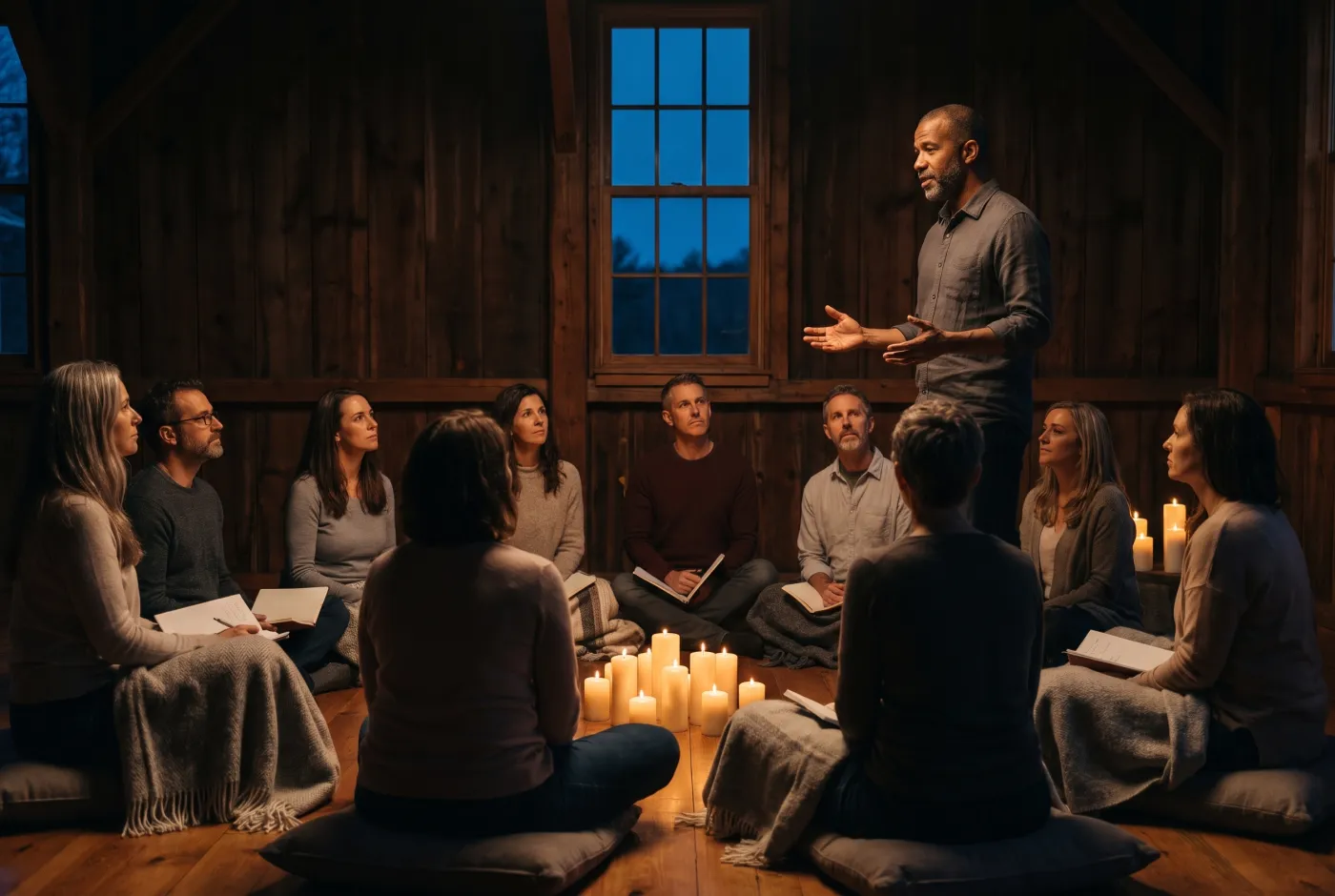
A cohort sitting in a circle on cushions around candles in a timber studio, listening to their teacher
“

I had done breathwork for years, but I had no idea how much I did not know. Now I run a monthly circle and I never feel out of my depth.

Rosa · 2025 graduate, yoga teacher
“

The safety months were the best part. Knowing exactly when not to breathe someone made me confident when it was right.

Daniel · 2026 graduate, therapist
Tuition

One price. Three ways to pay.

Tuition covers every call, all mentoring, both intensives with rooms and meals, and your certificate. Travel to the lodge is the only extra.

01

Pay in full

$6,400 One payment

The lowest total, paid once when you accept your place.

Pay in full
02

Six months

$1,140 A month, six payments

Spread across the first half of the program. $6,840 in total.

Pay over six months
03

Twelve months

$580 A month, twelve payments

The smallest monthly amount, finishing after you graduate. $6,960 in total.

Pay over twelve months

Places are offered after a short call. A $500 deposit, taken off your tuition, holds your place once you are accepted. Three partial scholarship places are kept in every cohort.

Ask about a scholarship
How to apply

Three steps to a place.

  1. 01

    Apply

    Tell us about your practice and why now. It takes about fifteen minutes.

  2. 02

    A call

    Thirty minutes with Marcus or Imani to talk it through and answer your questions.

  3. 03

    An offer

    You hear back within a week. A deposit holds your place in the cohort.

Start your application.

Applications for the 2027 cohort close on January 8, 2027.
Good questions

Before you apply.

Anything else, ask on an info call. They are free, and nobody will push you to sign up.

Do I need breathwork experience?

You need a personal practice of at least a year and a few guided sessions of your own. You do not need to have guided anyone yet.

How much time does it take each week?

Six to eight hours, including the Thursday call, your practice group and daily breathing. The supervised months ask a little more.

Is breathwork safe for everyone?

No, and you will learn exactly who it is not right for. Pregnancy, epilepsy, heart conditions, recent surgery and some mental health conditions all call for care or a different practice.

What if I miss a live call?

Every call is recorded and posted the same night. Missing a few is normal. The two intensives are the only parts you cannot make up.

Can I work with clients when I finish?

Yes. You graduate with a school certificate, not a medical license, so you will work within the scope of practice we teach and any rules where you live.

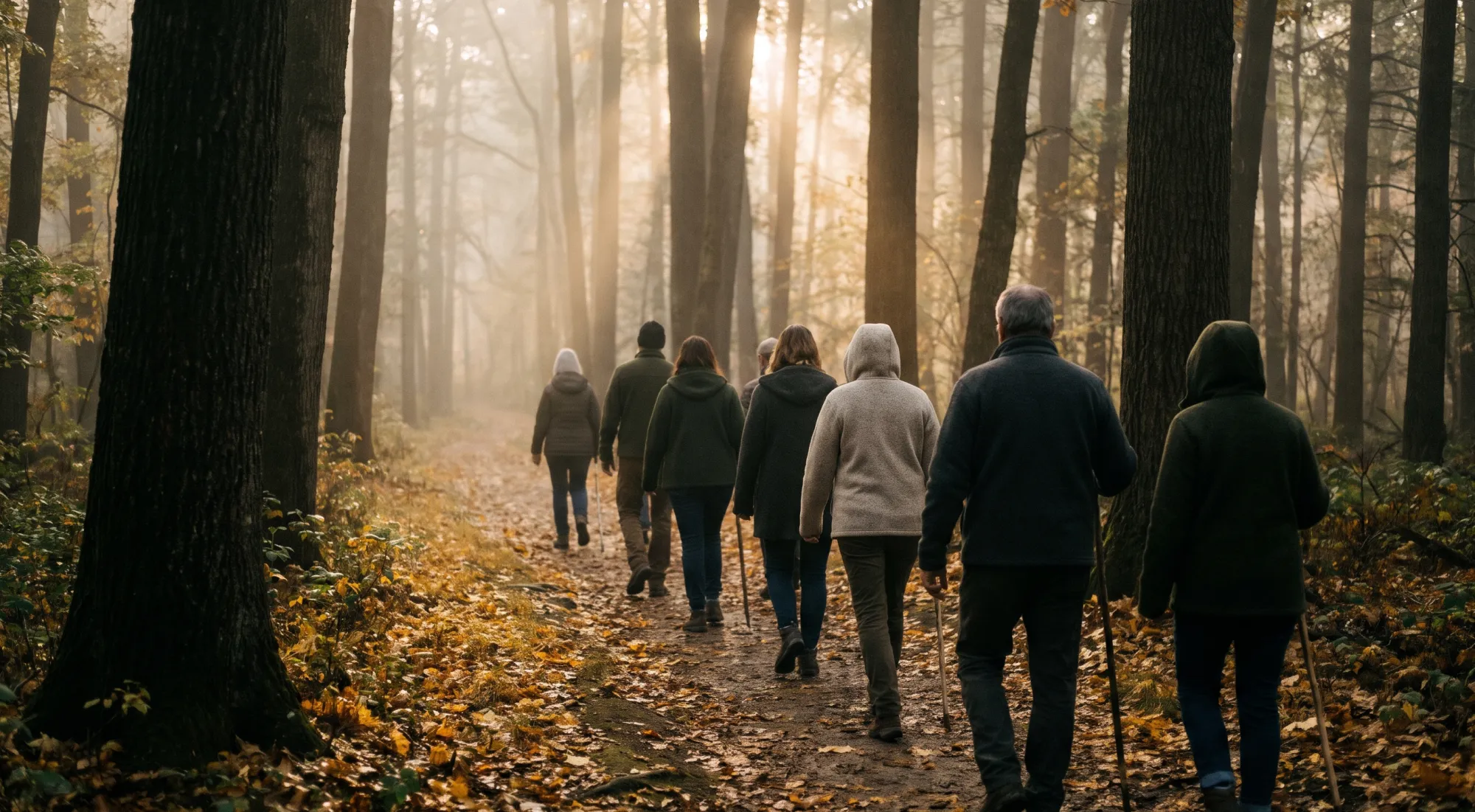
A small group walking single file along a misty forest path in autumn
The 2027 cohort · 24 places

Applications close January 8, 2027.

Start with a free info call. You will meet a trainer, hear how the nine months really feel, and leave knowing whether it is right for you.